
“We Need to Practice What We Preach”: An Oncologist’s Prostate Cancer Journey
09/24/2026
Blog
When a prostate cancer screening led to an unexpected diagnosis, Yuval Raizen, MD, a medical oncologist and hematologist at AON partner practice, Oncology Consultants, suddenly found himself on the other side of cancer care.
The experience reinforced something he has long encouraged his own patients to do: prioritize their health, keep up with recommended screenings and not let fear prevent them from seeking care.
We spoke with Dr. Raizen about his prostate cancer journey, what he learned from becoming the patient and why he believes healthcare providers need to practice what they preach when it comes to taking care of their own health.
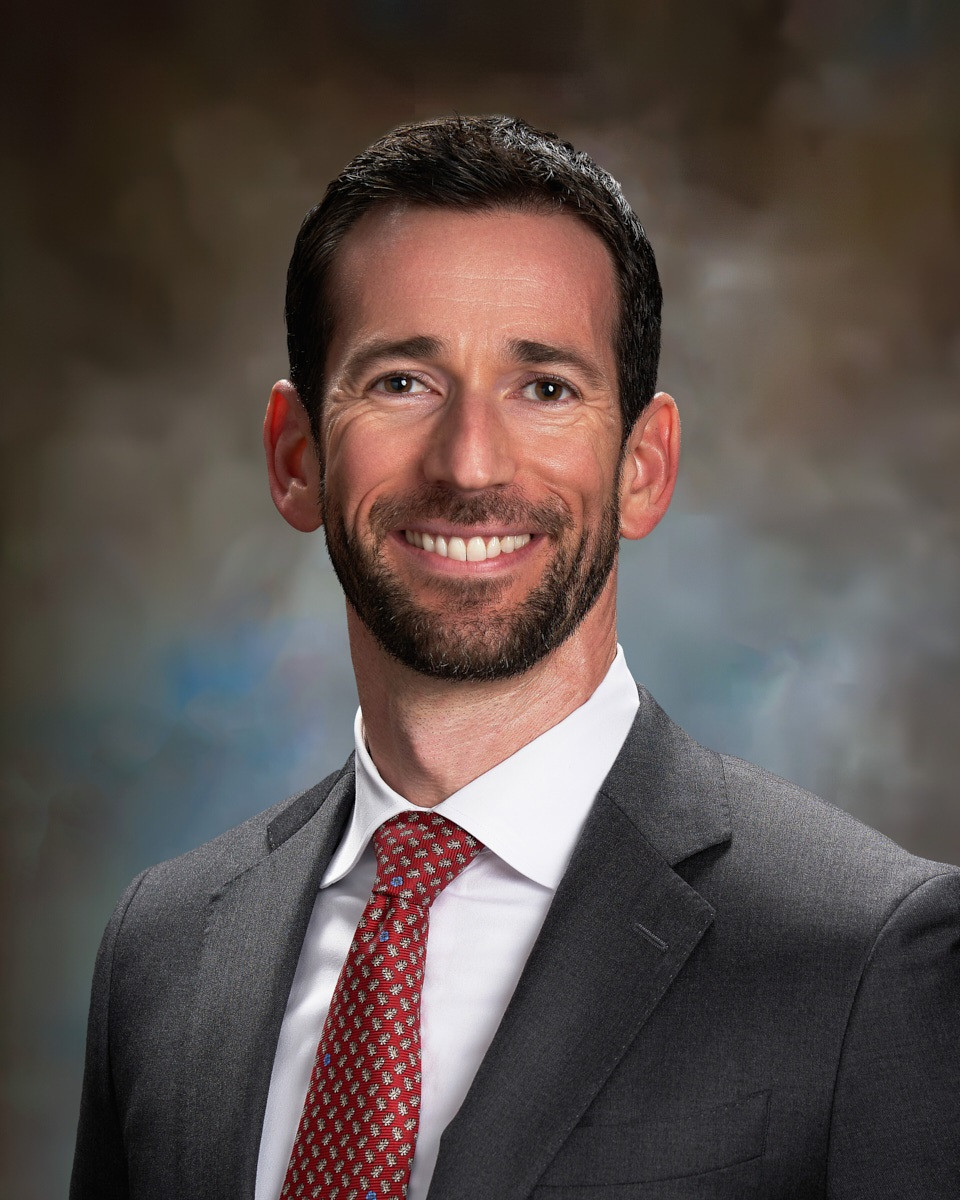
Board Certified Medical Oncologist and Hematologist
Oncology Consultants
What led you to get screened for prostate cancer?
I had my first prostate cancer screening in 2024, when I was 44. I live a healthy lifestyle and don't have any known high‑risk factors, but because of my job, cancer and the importance of screenings are always on my mind. My best friend is a urologist in Houston, and after talking with him, I decided to get screened.
What did the screening show?
The prostate‑specific antigen (PSA) blood test came back within the normal range, but the number was much higher than we expected. To be cautious, we did additional testing, including a prostate MRI and biopsy. We were shocked when the biopsy came back atypical. As an oncologist, I knew that suggested something was going on, but there wasn't enough information to take action yet. We decided the best next step was to repeat the testing in a year.
In April 2025, we repeated the MRI and biopsy. This time, the biopsy showed cancer. When physicians find cancerous cells in a prostate biopsy, we assign a Gleason score to help determine how aggressive the cancer may be and guide treatment decisions. My score indicated intermediate aggressiveness, so I knew I needed to act. In June 2025, I underwent a radical prostatectomy.
How did you feel when you got your prostate cancer diagnosis?
As an oncologist, I've always understood that there can be some degree of randomness to cancer, but accepting my own diagnosis was difficult. I had spent years taking good care of myself — exercising regularly, eating a healthy diet and not smoking. At first, I found myself trying to rationalize why this had happened to me.
My perspective shifted when I realized there was nothing I could have done differently. There's only so much we can control. This was simply something that happened in my life. But taking care of myself and prioritizing my health before my diagnosis helped put me in the best position to recover, and I'm grateful to be doing well today.
What are the current screening guidelines for prostate cancer?
For someone without known risk factors, guidelines generally recommend discussing prostate cancer screening beginning around age 50. For someone with a family history or other high‑risk factors, that conversation may begin at 45, and for those at even higher risk, at 40.
It's important to remember that guidelines are just that — guidelines. No matter your age, pay attention to your body, take note of changes and talk with your doctor about what's appropriate for you.
How has being on the other side of the diagnosis changed your approach to patient care?
I've always tried to be a compassionate provider, but now I can identify with my patients' emotions in ways I couldn't before. I know what it's like to receive a cancer diagnosis and how difficult it can be to process. I understand the nerves and anxiety that come with testing and waiting for results. Going through this experience has given me a deeper understanding of what my patients may be feeling at each stage of their cancer journey.
What advice would you give to someone who is putting off a cancer screening?
I think one of the biggest reasons people put off screenings is fear of what they might find. It's important to move beyond that fear because timing can be crucial. If I hadn't gotten screened when I did, my cancer could have been much more advanced by the time it was discovered.
My biggest piece of advice is simple: Go to go to the doctor, get your recommended screenings, and don't let fear stop you. Screenings such as mammograms and colonoscopies can save lives, and screening recommendations exist for a reason.
Is there any advice you would share specifically with healthcare providers?
Healthcare providers are incredibly busy, but we need to practice what we preach. Make time to take care of yourself. Take time away from work when you need it, care for your body, see your doctor and give yourself the same attention you encourage your patients to give their own health.
Has this experience changed any of your recommendations for your patients?
I've always been an advocate of counseling and therapy following a cancer diagnosis, but I'm even more of a proponent now. Receiving a cancer diagnosis can be traumatic, and it can be incredibly difficult to process everything you're feeling and hearing. Therapy can provide a professional perspective and tools to help people process their diagnosis and manage the emotions that come with it. We partner with organizations like CanCare that can also offer emotional support from diagnosis through survivorship.
Why is it important for you to share your story?
I feel very fortunate to be able to tell my story. When I was first diagnosed, I knew I didn't want to keep it private. I want people to know there is no shame in a prostate cancer diagnosis.
As physicians, we spend so much time encouraging others to take care of their health, but we need to make sure we're doing the same for ourselves. If sharing my experience motivates even one person — whether a patient, physician, or someone else — to get screened, make an appointment or have a conversation with their doctor, then telling my story is worth it.
