
Men's Health in November: More Than Facial Hair
11/04/2026
Blog
Throughout November, beards and mustaches become more than a change in appearance. They serve as visible reminders of the importance of prioritizing men’s health. Campaigns such as No-Shave November and Movember help raise awareness, support fundraising efforts and encourage meaningful conversations about health and well-being.
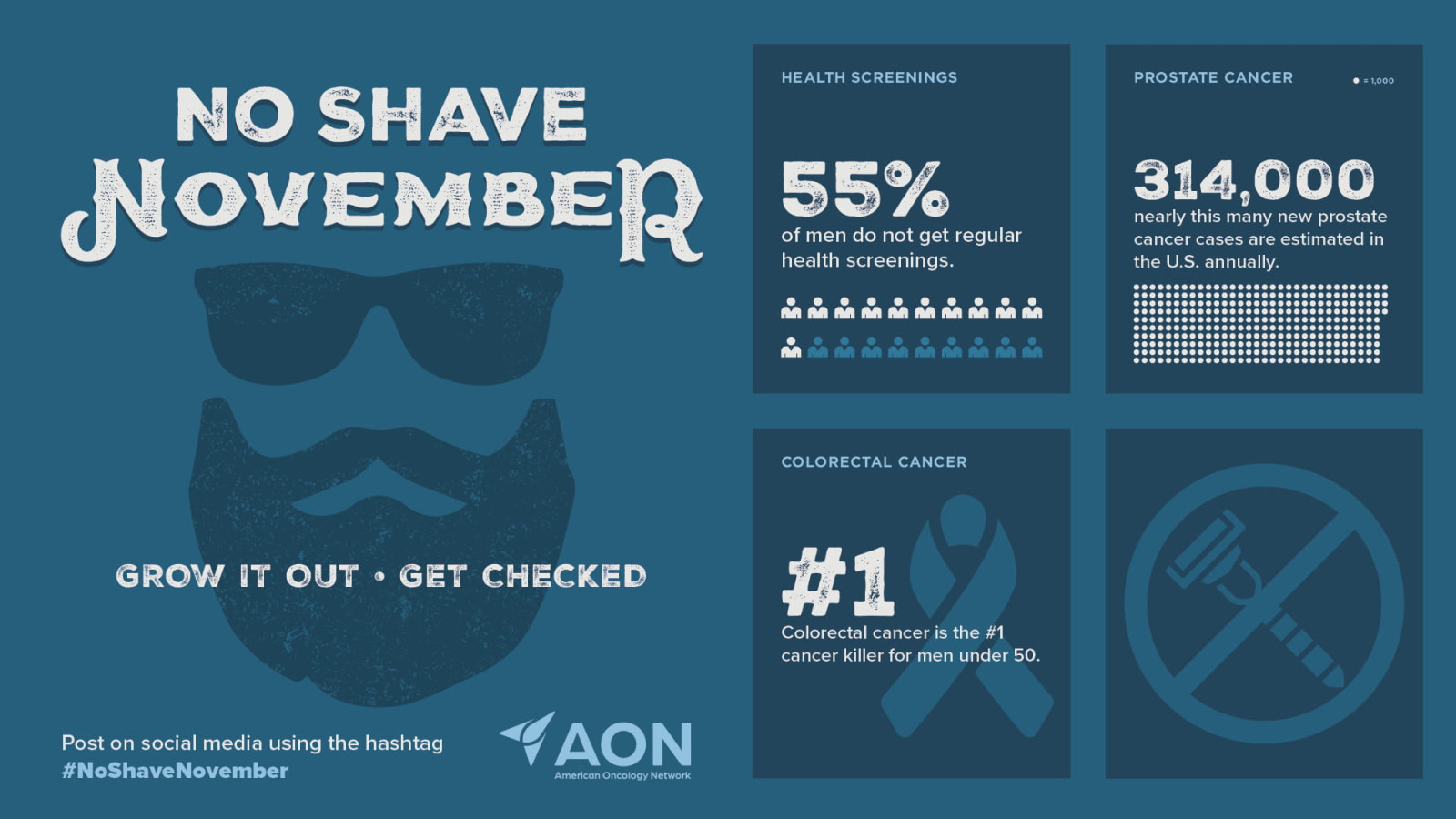
But November is about more than facial hair. It’s also an opportunity to address mental health, better understand cancer risks, prioritize preventive care and explore resources available to those facing a cancer diagnosis. The month also recognizes several types of cancer that disproportionally affect men.
Together, these observances remind us of the importance of understanding our personal health risks, staying current with medical appointments, seeking support when needed and checking in on the men in our lives.
No-Shave November: Put Down the Razor for a Cause
No-Shave November encourages participants to skip shaving and donate the money they would typically spend on grooming to cancer-related causes. The campaign uses hair growth as a conversation starter to raise awareness and support cancer research, education, advocacy and patient services.
Although often associated with men growing beards, participation is open to everyone. Donating, sharing information about the campaign or encouraging others to get involved are all ways to show support.
Movember: A Mustache with a Mission
Movember’s signature mustache represents a broader commitment to improving men’s health. The organization focuses on prostate cancer, testicular cancer, mental health and suicide prevention through research, education and awareness initiatives.
Growing a mustache is one way to participate, but there are plenty of other opportunities to get involved. Supporters can participate in a movement challenge, host an event, organize a fundraiser or donate.
With women in the U.S. living approximately five years longer than men, conversations about men’s health are especially important. Something as simple as growing a mustache can help open the door to discussions about health concerns, encourage preventive care and remind men that seeking support is a sign of strength.
Mental Health Deserves Equal Attention
Mental health is an essential part of overall health and well-being. Yet recognizing when to seek help can sometimes be difficult.
Warning signs of mental health concerns may include persistent sadness or hopelessness, irritability, changes in sleep or appetite, difficulty concentrating or increased alcohol or drug use. These symptoms deserve attention, particularly when they interfere with work, relationships, or daily activities.
Mental health conditions are treatable, and support is available. A primary care provider can help identify appropriate resources or provide a referral to a mental health professional. support or refer someone to a mental health professional. Asking for help is a practical step toward feeling better. Seeking help is an important step toward improving emotional well-being.
Anyone in the U.S. experiencing emotional distress or suicidal thoughts can call or text 988 to connect with the Suicide & Crisis Lifeline for free, confidential support.
Make Preventive Care a Priority
Men are generally less likely than women to visit a doctor. According to the Centers for Disease Control and Prevention (CDC), the rate of physician office visits among men is approximately 25% lower than among women.
But feeling healthy doesn’t always mean there are no underlying concerns. Conditions such as high blood pressure, high cholesterol and elevated blood sugar can develop without noticeable symptoms.
Regular medical appointments provide an opportunity to identify potential health risks, discuss mental and emotional well-being, update vaccinations and determine which preventive screenings may be appropriate.
Screening recommendations vary based on age, family history, existing medical conditions and other individual risk factors. If you’ve been putting off an appointment, consider using November as a reminder to schedule a visit and take a proactive role in your health.
Other November Cancer Awareness Observances
November also brings attention to several cancers that affect men and women, some of which occur more frequently in men.
- Lung Cancer Awareness Month: Lung cancer has historically been more common in men, although incidence patterns vary by age and cancer subtype. In 2021, lung cancer incidence among U.S. women younger than 65 surpassed that of men in the same age group.
- Pancreatic Cancer Awareness Month: Pancreatic cancer is slightly more common in men than women, with a lifetime risk of less than 2% for both.
- Stomach (Gastric) Cancer Awareness Month: Stomach cancer occurs more frequently in men. A U.S. analysis found incidence rates among men were approximately 1.6 to 2.2 times those among women.
Understanding your personal risk factors and discussing any concerns for symptoms with your health care provider are important steps toward protecting your health.
You Don’t Have to Face Cancer Alone
A cancer diagnosis can bring uncertainty, fear and feelings of isolation, even when surrounded by family and friends. Having someone to talk to who understands the experience firsthand can make a meaningful difference.
Through AON’s partnership with CanCare, patients and their loved ones can connect with trained volunteer cancer survivors or caregivers who have faced similar experiences. This free, confidential peer support is available at any stage of the cancer journey, from diagnosis and treatment through survivorship.
Patients and caregivers can ask their care team for a referral or contact CanCare directly to be matched with a volunteer who has experienced a similar diagnosis or caregiving journey. Support is available by phone or email, providing an opportunity to connect with someone who understands and can offer encouragement along the way.
This November, take time to prioritize your health, encourage the men in your life (maybe that’s yourself!) to do the same and remember that no one has to navigate a cancer diagnosis alone.
